Lead is sometimes called white gold in this trade, and anyone who has run a lead plant knows why. But a good plant is not just a furnace. It is the right land, the right capacity, the right approvals, and enough working capital to keep it running.
We at PSR Metals build lead recycling plants from engineering to commissioning. Below is what we tell every serious buyer who walks in, in the same order we tell them.
Who sets up a lead recycling plant?
All kinds of people come to us:
- Owners of steel and other manufacturing units who want to add a second business
- Scrap dealers who already handle batteries and want to process them instead of selling them
- First-time entrepreneurs looking for a solid industrial business
- Families setting up a plant for the next generation
Lead recycling is not a get-rich-quick business. It is a rough, steady industrial business, and it rewards the people who plan it properly.
What size plant should you start with?
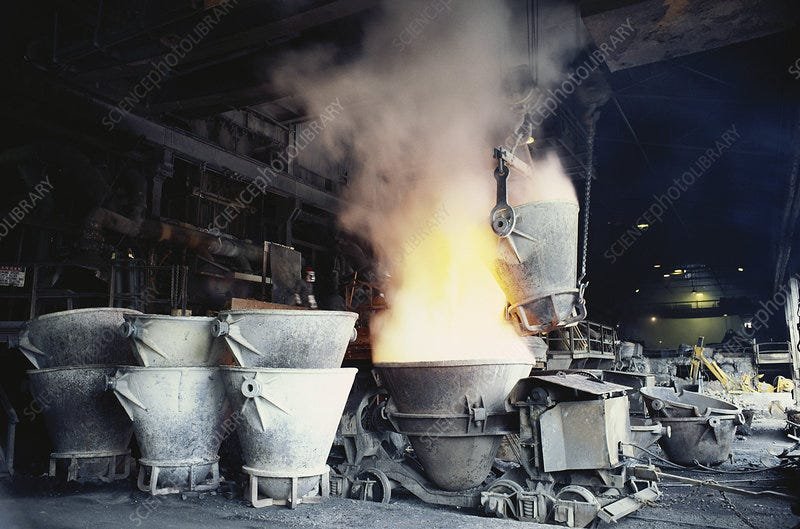
We build plants of 3, 5, 10, 15 and 20 tons. Machinery cost ranges from about ₹50 lakh to ₹1.5 crore depending on capacity.
Most buyers ask whether they should start small. Our advice is usually no. In a small plant the saving per ton is thin, and the fixed costs eat the margin. We recommend a 10-ton plant to most customers.
10-ton plant (reference) Capacity: 10 tons per shift, Output on 3 shifts: 30 tons, lead Waste batteries needed: about 40 tons, Manpower: 8 workers per shift, Batch time on coal: about 8 hours
What does it really cost? Two numbers, not one
The plant price is only part of the investment.
- Plant and machinery: ₹50 lakh to ₹1.5 crore depending on capacity. This covers machinery only.
- Pollution control and other equipment: this is extra and depends on your site.
- Working capital: battery prices follow the market, and you buy batteries before you sell lead. For a 10-ton plant, we advise keeping ₹50–70 lakh separate for running costs.
Before we hand over any plant, we also ask a simple question: can you fund the first 15 days of running cost after installation? A plant that stops in week two because of cash is the most common failure we see.
Land and location
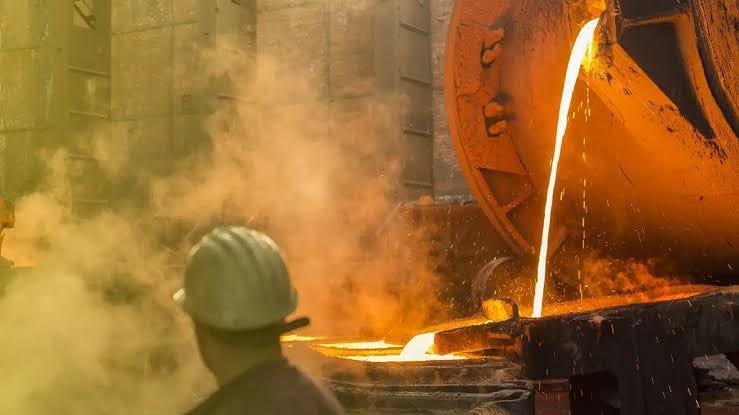
Lead recycling falls in the Red category of industries, so location decides whether the project is even possible.
- No residential area within 500 metres.
- Land area for a 10-ton plant: 1–2 bigha
- Check the location with your State Pollution Control Board before you pay for the land, not after.
Location is where most projects get stuck.
How the process works
- Receiving: batteries arrive by truck.
- Breaking: manual labour breaks the batteries and separates lead parts from plastic. We prefer manual breaking because it is more efficient for this work.
- Plastic: the separated plastic is sold to plastic companies.
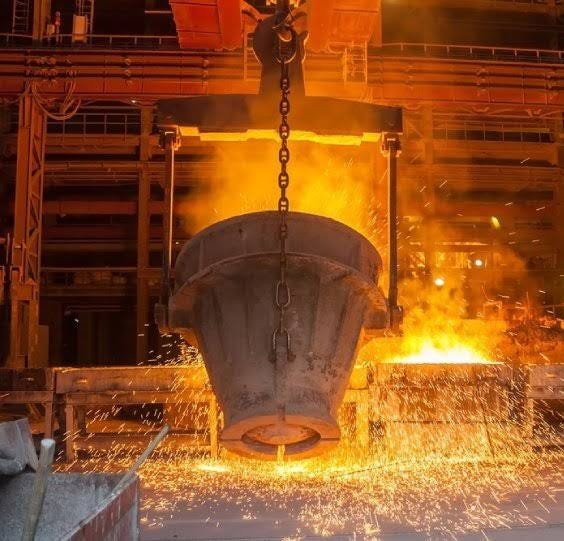
- Smelting: lead material is charged into a rotary furnace.
- Refining: the molten lead is refined.
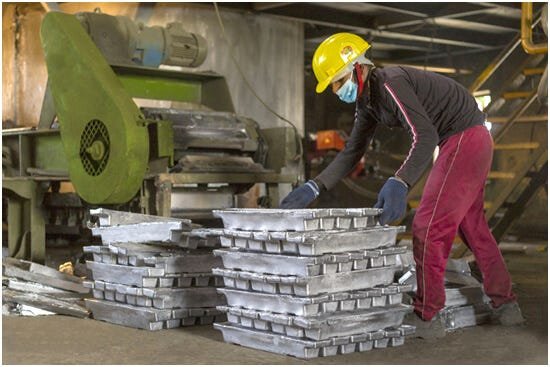
- Casting: lead is cast into ingots.
- Testing: every lot is checked with a spectrometer before supply.
Coal or LPG?
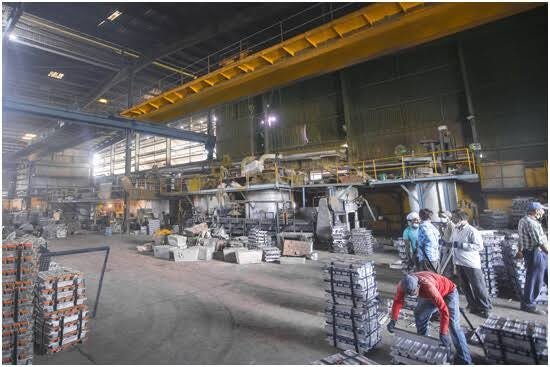
In our experience, coal is the most efficient overall for running cost. LPG is a good choice where faster batches and lower pollution matter more.
Pollution control
Customers worry about this for two reasons. Lead plants are watched closely by the government, and badly designed pollution equipment is expensive to maintain. Our plants use a baghouse as part of pollution control.
Because we have installed many plants, we know how the approval process works at ground level, what each officer asks for and what documents are needed.
Approvals and licences
- Consent from the pollution control authorities (State Pollution Control Board, with CPCB guidelines). It usually takes about a month, and the cost is around ₹5 lakh or less.
- Battery Waste Management Rules, 2022: these rules came into effect on 22 August 2022 and replaced the older 2001 battery rules. Recyclers have to register with the State Pollution Control Board through CPCB’s central portal and obtain a registration certificate. Lead-acid battery recyclers fall in the R1 category on that portal. Government notifies New Rules to regulate Battery Waste; Batteries (Management and Handling) Rules, 2001 stands repealed +2
- EPR certificates: once a registered recycler processes waste batteries, the portal issues EPR certificates in proportion to the material recovered. meraev
The approvals are done in the customer’s name, so you need to be involved. We guide you at every step, but we don’t do it for you behind your back.
Common mistakes
- Not planning running cost. This is the biggest one.
- Starting too small. Savings are low, and many owners upgrade within a few years anyway.
- Delays in factory work. Late civil work, late fitting and late approvals all cost money while the plant sits idle.
Returns
Gross profit in this business is typically around 10–11%, depending on battery prices and lead rates. It is not a fixed number, and anyone who promises you a guaranteed return is not being straight with you.
How we work
- Plant ready in about 2 months
- 1 month of trial run, together with you, so you see it working before you take over
- Engineering, supply, erection and commissioning handled by us
- Full guidance for the NOC and pollution approvals that have to be filed in your name
FAQs
How much does a lead battery recycling plant cost in India?
Plant and machinery cost ₹50 lakh to ₹1.5 crore depending on capacity (3 to 20 ton). Pollution control equipment and working capital are extra.
Which capacity is best for a first plant?
We recommend 10 ton per shift for most buyers.
How many workers does a 10-ton plant need?
About 8 per shift.
How long do approvals take?
Consent usually takes around a month if the land location is acceptable.
Can I visit a running plant before deciding?
Yes, You are most welcome.
Ready to plan your plant? Call or WhatsApp us with your land location and budget range, and we will tell you honestly whether it works.